
By Giles Dawson, Senior Technical Consultant (IT, Infrastructure, Projects & Change) and Craig Fenn, Technology Lead (Software Engineering, Data & Product)
Artificial Intelligence has quickly become part of everyday working life.
Across technology functions, we're seeing organisations invest heavily in AI tools and actively seek people who can use them effectively. Whether it's software engineers using AI-assisted development tools, data professionals accelerating analysis, or product teams gathering insights more efficiently, AI is increasingly viewed as a valuable workplace skill.
This aligns with findings from Pure's 2026 Marketing Salary Guide, which surveyed more than 100 employers across the Eastern region. Employers identified AI literacy and practical AI usage as increasingly valuable skills, while also highlighting concerns that highly polished AI-generated applications can sometimes mask weaker interpersonal or communication skills.
As recruiters working across the technology market, we've also noticed AI becoming more common in the job application process itself. Candidates are using AI to help structure CVs, refine content, prepare for interviews and better articulate their experience.
Rather than asking whether this is right or wrong, we think a more useful question is:
What does effective AI usage actually look like during a recruitment process?
AI is a tool, not a substitute
The most successful candidates we speak to aren't using AI to replace their experience. They're using it to communicate that experience more clearly.
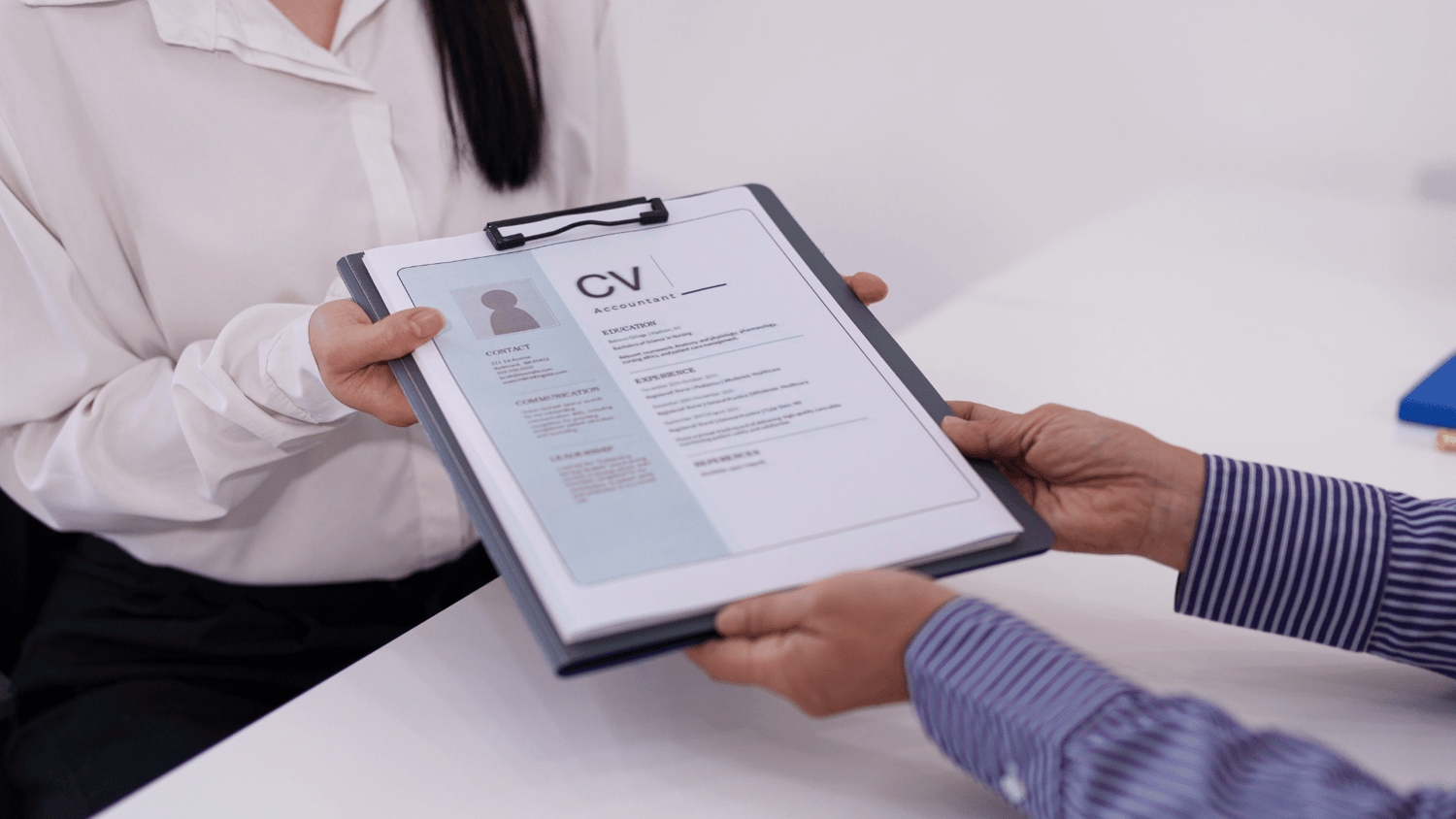
A well-written CV has always been important, and many candidates have historically sought support from mentors, recruiters, colleagues or professional CV writers. AI is becoming another tool that can help candidates present their skills and achievements more effectively.
For candidates looking to improve the quality of their applications, our CV Checklist offers practical guidance on creating a CV that clearly communicates experience, achievements and impact.
The difference is that AI works best when there's genuine expertise behind it.
A candidate can use AI to improve wording, structure or clarity, but they still need the experience, technical knowledge and commercial understanding to back it up when conversations begin.
The real skill is knowing how to use AI effectively
One of the reasons employers value AI capability is that effective use of AI requires judgement.
The best outcomes typically come from people who know how to ask the right questions, challenge outputs, apply context and make informed decisions based on the information they receive.
In many ways, those are the same skills employers have always looked for when hiring talented professionals.
As AI becomes more embedded in everyday work, we expect organisations to place increasing value not simply on AI literacy, but on the ability to combine AI tools with critical thinking and expertise.
Recruitment still comes back to people
While AI can support the application process, hiring decisions are still made through conversations, assessments, interviews and demonstrations of capability.
Technology can help someone prepare for an interview, but it cannot replace their ability to solve problems, communicate with stakeholders, collaborate with colleagues or demonstrate technical expertise.
That's why we don't see AI as removing the human element from recruitment. If anything, it places greater importance on understanding the individual behind the application.
The concern raised by employers in our 2026 Marketing Salary Guide is not that candidates are using AI, but whether organisations have effective recruitment processes that properly assess communication skills, critical thinking and real-world capability beyond the application itself.
How we're helping clients and candidates navigate this shift
At Pure, we're encouraging open conversations about AI from both sides of the hiring process.
For employers, we're helping hiring managers focus on the capabilities that matter most: technical expertise, problem-solving ability, communication skills and cultural fit. Today's recruitment processes need to recognise that AI is becoming part of the modern workplace, while still ensuring candidates are assessed fairly and accurately.
For candidates, we're encouraging responsible use of AI as a support tool, not a replacement for authenticity. The strongest applications are still those that clearly demonstrate individual achievements, genuine experience and personal impact.
Looking ahead
We're still in the early stages of understanding how AI will reshape technology recruitment and the workplace more broadly.
What feels increasingly clear, however, is that AI isn't a future skill. It's a current one.
The conversation is no longer about whether professionals should use AI, but how they can use it effectively, responsibly and transparently.
For employers and candidates alike, the opportunity lies in embracing the technology while keeping people, skills and relationships at the centre of the process.
After all, the best recruitment outcomes have always come from combining the right tools with human expertise, and that doesn't look set to change any time soon.
Frequently Asked Questions
Can recruiters tell if you've used AI on your CV?
Not always, and in most cases that isn't the issue. Recruiters are typically more interested in whether the content accurately reflects your skills, experience and achievements. Problems tend to arise when candidates cannot confidently discuss or evidence information included in their application.
Is it OK to use ChatGPT to write a CV?
Using ChatGPT or other AI tools to improve the structure, wording and presentation of your CV is generally acceptable. However, the content should still be authentic and based on your actual experience. AI should support your application, not create a version of you that doesn't exist.
What AI skills do employers want?
Many employers are looking for practical AI literacy rather than advanced technical expertise. This includes understanding how to use AI tools efficiently, evaluate outputs critically, apply business context and use AI to improve productivity, decision-making and problem-solving.